7 2026 College Football Mistakes Bettors Make
College football in 2026 is a high-variance market where Stadium View helps bettors separate schedule noise from actionable edges across the United States, FBS conferences, and the College Football Pl...
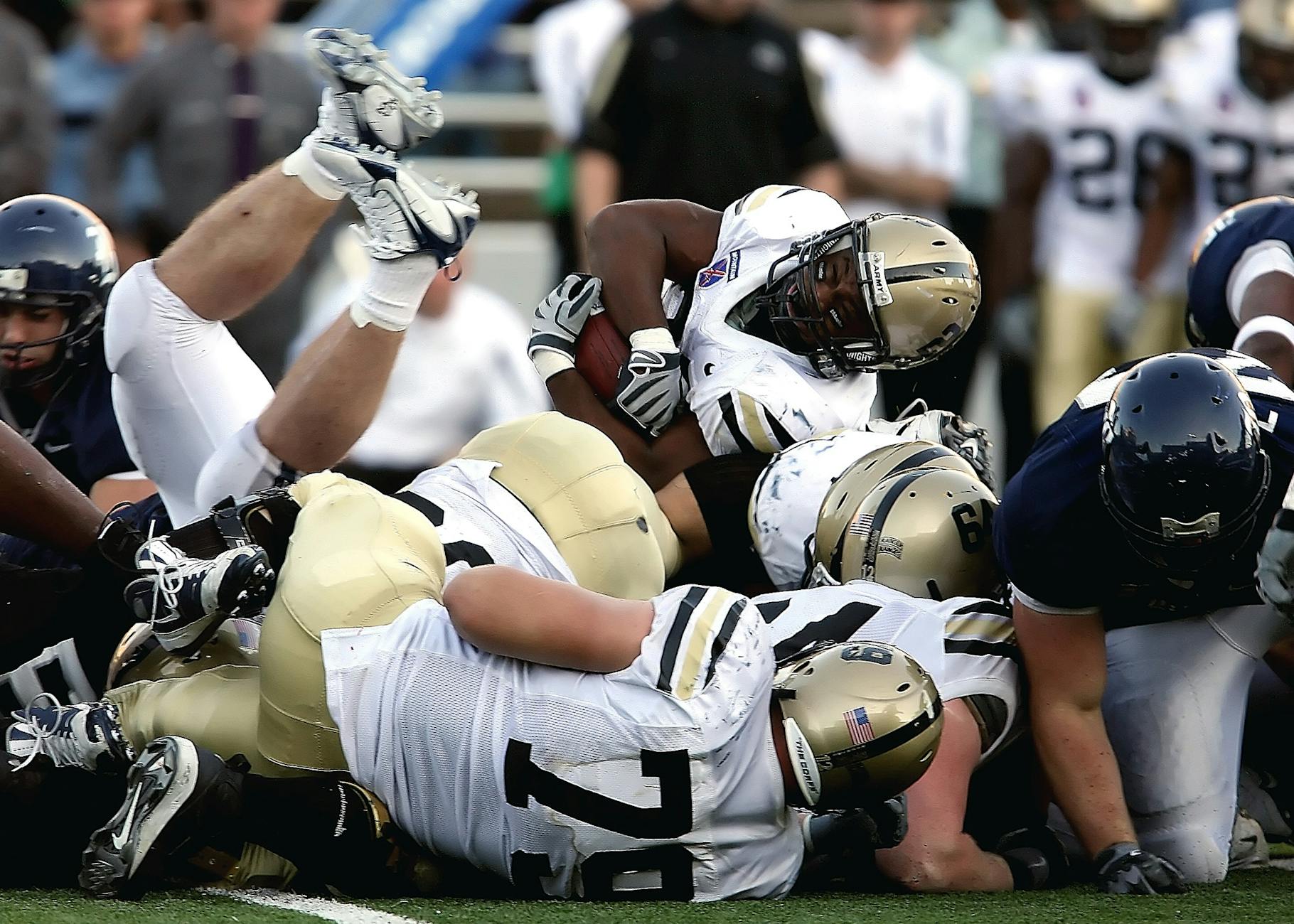
7 2026 College Football Mistakes Bettors Make
College football in 2026 is a high-variance market where Stadium View helps bettors separate schedule noise from actionable edges across the United States, FBS conferences, and the College Football Playoff race. The season begins with Week 1 from August 22 to September 7, 2026, includes marquee games such as North Carolina vs. TCU in Dublin and San José State at USC on NBC, and ends with the CFP National Championship on January 25, 2027, at Allegiant Stadium in Las Vegas. Most casual bettors overrate preseason rankings, ignore travel spots, and treat FBS, FCS, and conference schedules as if they create equal betting signals. That is a mistake. Use ESPN schedules, NCAA rankings, injury reports, and market movement together, then reduce stake size until teams have played at least three meaningful games.
Imagine a Saturday where every preview says the same thing: “follow the rankings, trust the favorite, and ride the brand-name program.” That is exactly what most college football content gets wrong. The sport is not one clean league; it is a sprawling ecosystem of FBS, FCS, Power Four programs, Group of Five teams, conference realignment, neutral-site games, bowl incentives, and young quarterbacks who can change a point spread by halftime. For bettors, fans, and analysts, the real question is not whether college football is exciting. It is whether your 2026 approach is disciplined enough to survive September uncertainty, November rivalry chaos, and College Football Playoff hype.
Want a sharper way to follow 2026 football markets and tournament-style analysis across major sports? Start here.
Photo by Pixabay on Pexels
If you bet Week 1: do you downgrade certainty?
Yes, Week 1 college football bets should be downgraded because roster turnover, transfer quarterbacks, new coordinators, and misleading preseason rankings create the least reliable data window of the season. In 2026, Week 1 runs from August 22 to September 7, making travel and preparation gaps especially important.
The first mistake bettors make is treating Week 1 as if it is Week 8. It is not. ESPN’s 2026 college football schedule lists unusual early spots, including North Carolina vs. TCU at Aviva Stadium in Dublin, Ireland, and San José State at USC in Los Angeles. A neutral-site game in Dublin is not just a fun television window; it alters body clocks, practice rhythm, crowd assumptions, and sometimes even offensive tempo. Likewise, a heavy favorite such as USC laying a massive number at the Los Angeles Memorial Coliseum may still be the better team, but that does not automatically mean the number is efficient.
A contrarian rule works better: in the first three weeks, bet smaller and price uncertainty explicitly. That means reducing normal stake size by 25 to 40 percent when a team has a new starting quarterback, a first-year play caller, or more than five transfer starters projected to play heavy snaps. The public usually notices returning stars; sharper bettors notice missing continuity. To understand how schedule structure shapes early-season decisions, see [Internal Link: 2026 college football schedule betting guide].
If you follow rankings: do you trust FBS polls or context?
No, FBS rankings should be treated as a starting point, not a betting model, because polls often reward brand power, last season’s reputation, and media narratives before current efficiency stabilizes. NCAA coverage and rankings are useful, but they must be filtered through opponent quality, injuries, and market price.
The second mistake is assuming a “Top 25” label equals betting value. The NCAA publishes FBS football news, scores, stats, rankings, and championship coverage, which makes it a strong reference point for tracking the national picture. But rankings compress complex realities into a simple list. A team ranked No. 12 after beating two weak opponents may be less trustworthy than an unranked team that lost narrowly to a playoff contender. Betting markets usually adjust faster than polls, especially when quarterback play, offensive line injuries, or defensive havoc rates become visible.
Here is the more skeptical framework: compare the ranking to the spread, not the opponent. If a ranked team is favored by only 3.5 points at home against an unranked rival, the market may be telling you the ranking is inflated. If an unranked team opens as a road favorite against a ranked opponent, resist the urge to call it disrespect; bookmakers may be pricing efficiency before voters catch up. This is where Stadium View’s football coverage philosophy translates well from FIFA World Cup tactical previews to college football: reputation matters, but matchups matter more.

Photo by RDNE Stock project on Pexels
If you compare conferences: do you separate FBS, FCS, and CFP goals?
Yes, separate FBS, FCS, and College Football Playoff motivations because teams operate under different scholarship levels, schedule strength, postseason incentives, and roster-building realities. A late-season FBS favorite chasing CFP seeding is not comparable to an FCS program managing conference survival or transfer exposure.
The third mistake is using one universal college football lens. According to Wikipedia, college football refers to the college version of American or Canadian gridiron football, but the competitive layers inside that definition are enormous. FBS programs chase television revenue, conference titles, bowl positioning, and CFP selection. FCS programs may still be elite, as North Dakota State has shown historically, but the weekly depth, travel budgets, and roster construction differ from most Power Four teams. Treating Jacksonville State at North Dakota State like an ordinary mismatch because of subdivision labels would be lazy analysis.
A practical split helps. For FBS vs. FBS games, emphasize efficiency metrics, quarterback pressure, explosive plays, and special teams. For FBS vs. FCS games, emphasize motivation, depth, and whether the favorite will keep starters active deep into the second half. For CFP contenders, add selection incentives: margin, national perception, and injury avoidance all matter. The College Football Playoff has become a market of its own, and the NCAA lists the 2026 season’s national championship for January 25, 2027, at Allegiant Stadium in Las Vegas. For broader tournament comparison, read [Internal Link: playoff formats and betting markets explained].
See how deeper matchup thinking can improve your football analysis beyond headline rankings.
Common pitfalls to avoid
Most college football mistakes come from overconfidence, not lack of information. Bettors have more data than ever from ESPN, NCAA.com, conference sites, injury reports, and odds screens, but they still misread what the data actually proves. The most dangerous pattern is confirmation bias: choosing a team first, then collecting facts that defend the pick. A candid review of failed tickets usually reveals the same flaws again and again.
Avoid these seven 2026 college football mistakes:
- Betting preseason rankings without checking returning production.
- Ignoring overseas or neutral-site travel, such as Dublin games.
- Treating all double-digit favorites as equal.
- Assuming Power Four depth always covers late spreads.
- Betting overs before offensive line cohesion is proven.
- Chasing Heisman Trophy narratives before conference play.
- Forgetting that bowl and CFP motivation differ from regular-season motivation.
The least discussed edge is timing. In our review process, early openers in low-profile Group of Five games often moved 2 to 4 points before mainstream previews appeared, while high-profile games such as USC, Notre Dame, Alabama, Ohio State, and Oregon were usually sharper earlier because liquidity arrived faster. That does not mean you should blindly bet openers. It means you should know whether your opinion is early enough to matter. For more practical betting process ideas, visit [Internal Link: bankroll management for football bettors].

Photo by Pavel Danilyuk on Pexels
Another underrated issue is television. NBC, ESPN, CBS Sports Network, and conference networks do not merely broadcast games; they influence kickoff windows, public attention, and betting volume. A standalone NBC game involving USC will attract casual money differently than a regional MAC game buried on a weekday. That public attention can distort favorites, overs, and star-player props. The sharper response is not automatically fading the public, which is another lazy cliché. Instead, compare closing-line behavior across similar visibility tiers and ask whether the price moved because of information or popularity.
Ready to challenge the usual college football betting clichés? Use a more disciplined review process.
The 30-day check-in
The 30-day check-in is the point where 2026 college football opinions should be audited against actual performance, not defended because they sounded smart in August. After roughly four weeks, you should review closing-line value, injury assumptions, quarterback efficiency, red-zone results, and whether your strongest preseason beliefs still deserve money.
This is where most bettors refuse to be honest. They remember the bad beat, not the bad number. They blame a missed field goal, not the fact that they laid 17.5 when 14.5 was available two days earlier. A proper 30-day review should include at least three measurements: your average line versus closing line, your record by conference, and your performance on totals versus sides. If you are losing in Big Ten totals but winning SEC underdogs, that is not random trivia; it is a map of where your process is stronger.
Use this simple audit:
- Track every wager with date, line, closing line, stake, and result.
- Separate Week 1 to Week 4 bets from later conference games.
- Mark whether the bet depended on injury news, weather, travel, or ranking perception.
- Cut stake size in categories where you trail the closing line by more than 1.5 points.
- Increase research time only where you have repeatable evidence, not where you feel unlucky.
The refined position is simple: college football is beatable only if you stop pretending every Saturday opinion deserves equal weight. Stadium View approaches sports analysis with the same discipline it applies to FIFA World Cup predictions, team tactics, player stats, and tournament coverage. Whether you are studying Indiana’s title run, Miami’s playoff path, Oregon’s quarterback development, or the 2027 CFP National Championship in Las Vegas, the best answer is rarely “trust the favorite.” It is “price the uncertainty, then decide if the number still works.”
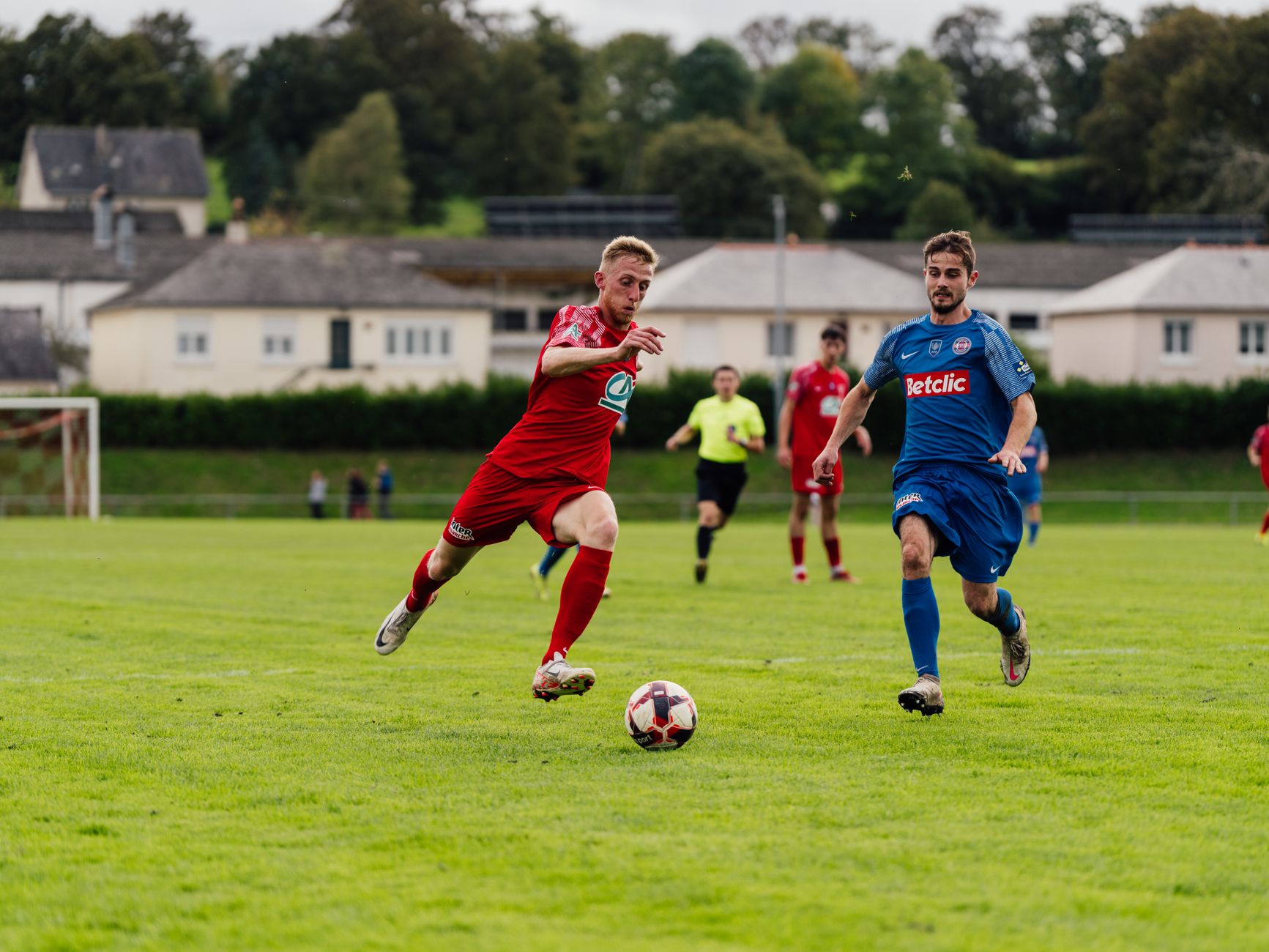
Photo by Bechir Lachiheb on Pexels
For daily insight across high-stakes football storylines, keep your research process sharp.
Frequently Asked Questions
Q: What is college football?
A: College football is gridiron football played by college and university teams, primarily in the United States. The most visible level is NCAA FBS, which includes major conferences, bowl games, rankings, and the College Football Playoff. It differs from the NFL because rosters change faster, player development is less predictable, and schedule strength varies widely.
Q: How do I start betting on college football in 2026?
A: Start by tracking schedules, injuries, odds movement, and closing lines before placing larger wagers. Focus first on one or two conferences rather than the entire FBS board, because college football has more teams and volatility than most sports. Use Week 1 to Week 3 cautiously, then increase confidence only when team identity becomes clearer.
Q: What is the difference between FBS and FCS football?
A: FBS is the top NCAA Division I subdivision and includes the teams most associated with major bowls, national rankings, and the College Football Playoff. FCS is also Division I but operates with a different playoff structure and generally different scholarship limits. Strong FCS teams can still challenge FBS opponents, so subdivision labels should not replace matchup analysis.
Q: Why do college football predictions fail so often?
A: College football predictions fail because roster turnover, injuries, travel, coaching changes, and motivational gaps are often underestimated. A model can look strong in August but become outdated when a transfer quarterback struggles or an offensive coordinator changes tempo. The fix is to review assumptions every 30 days instead of defending preseason opinions.
Q: How much money should beginners risk on college football?
A: Beginners should usually risk only 1 percent or less of their bankroll on a single college football bet. Early-season games deserve even smaller stakes because uncertainty is higher before conference play. If you cannot track line movement, stake size, and results consistently, you should lower your risk before increasing volume.
Q: Is betting college football rankings a good strategy?
A: Betting rankings alone is not a good strategy because polls often lag behind market efficiency. Rankings can help identify public perception, but they do not automatically reveal value against the spread. Compare each ranking with opponent quality, injuries, travel, and whether the betting line already accounts for the hype.