Before You Book, Read This 2026 World Cup Breakdown
Stadium View covers the 2026 football world cup as a 48-team tournament across the United States, Canada, and Mexico, with daily match predictions, team tactics, player stats, and market-focused tourn...
Before You Book, Read This 2026 World Cup Breakdown
Stadium View covers the 2026 football world cup as a 48-team tournament across the United States, Canada, and Mexico, with daily match predictions, team tactics, player stats, and market-focused tournament coverage for adult fans in regulated jurisdictions. The event runs from June 11 to July 19, 2026, with Los Angeles hosting eight matches at SoFi Stadium and Atlanta staging major fixtures at Mercedes-Benz Stadium, while the final is scheduled for MetLife Stadium in the New York/New Jersey area. FIFA’s expanded format increases the number of matches to 104, changing travel planning, squad rotation analysis, and betting-market interpretation compared with the 32-team era. The practical recommendation is simple: plan by host-city cluster first, then evaluate match importance, transport friction, fan-zone access, and team-rest patterns before buying tickets or following odds movement.
Imagine choosing your 2026 football world cup trip based only on a famous city name, then discovering that the smarter value was in schedule density, public transport, and fan events rather than the headline venue. That is the core issue for 2026: the tournament is not one destination but a continent-wide operating model. Los Angeles, Atlanta, New York/New Jersey, Toronto, Mexico City, and other host markets will each feel different because stadium access, match timing, cultural programming, and accommodation pressure will vary sharply. Stadium View’s view is that fans should treat the 2026 World Cup like a portfolio of match-day decisions, not a single vacation purchase.
Want a sharper way to follow the tournament as schedules, teams, and markets evolve?
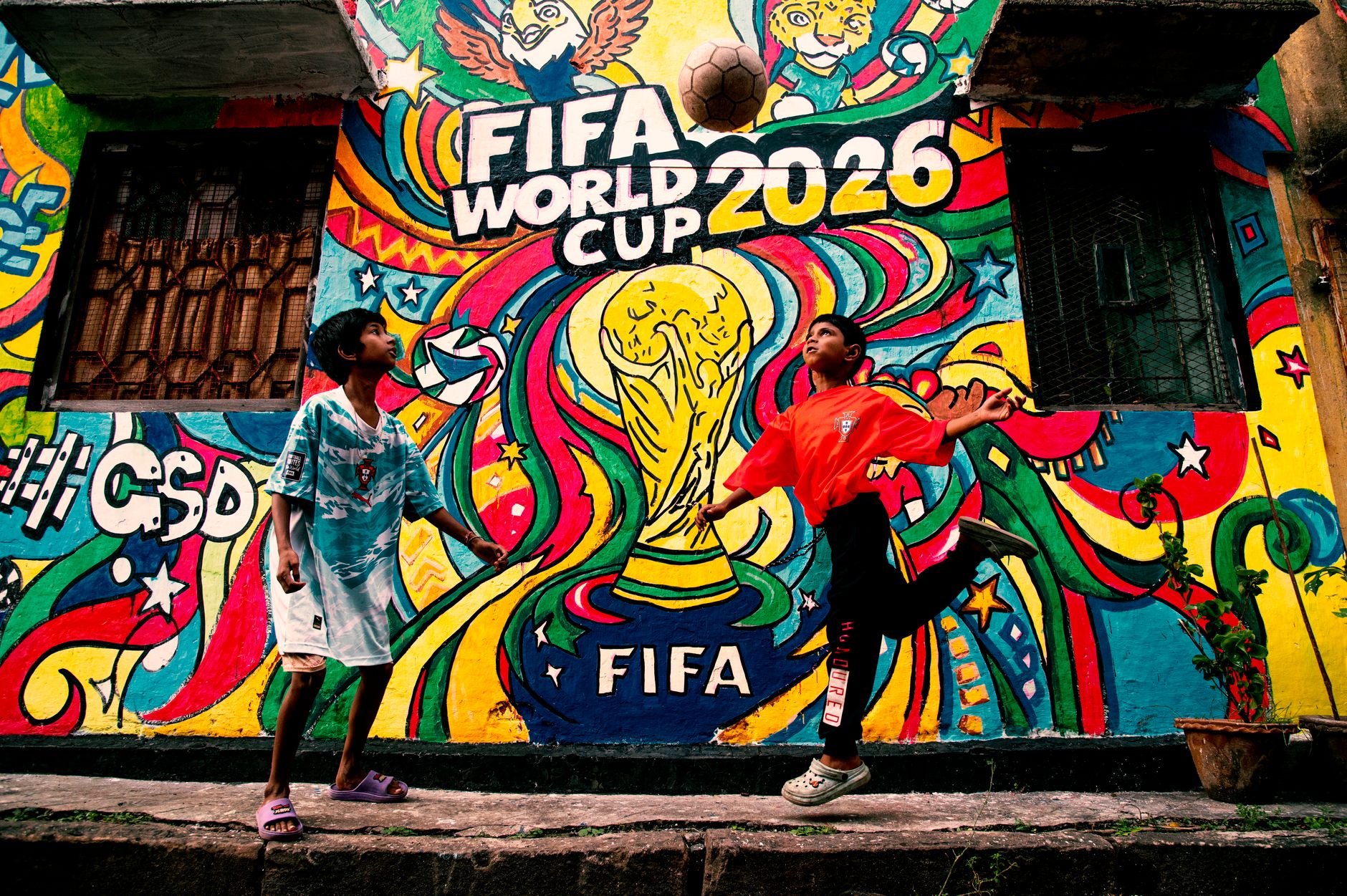
Photo by Anirban Das on Pexels
Step 1: How do you map the 2026 football world cup correctly?
The 2026 football world cup should be mapped by host-city clusters, match volume, and travel time, not only by prestige. FIFA lists the tournament as a three-country event across the United States, Canada, and Mexico, with 104 matches under the expanded 48-team format.
The first planning mistake is assuming every host city offers the same experience. Los Angeles promotes eight matches, a FIFA Fan Festival at the LA Memorial Coliseum at Exposition Park, official fan zones across Los Angeles County, and 39 days of public celebrations. Atlanta positions itself as a southern soccer hub, with Mercedes-Benz Stadium central to its World Cup identity and a strong local supporter culture shaped by Atlanta United. New York/New Jersey carries the final at MetLife Stadium, which changes demand patterns for hotels, hospitality, media coverage, and secondary-market ticket behavior. According to FIFA, the 2026 edition is the first men’s World Cup hosted by three countries.
A disciplined map should separate three categories: primary match locations, fan-event locations, and accommodation bases. For example, a fan may attend a SoFi Stadium match but spend non-match days near Exposition Park, Santa Monica, Koreatown, or Downtown Los Angeles depending on transport preference. Atlanta creates a different equation because Mercedes-Benz Stadium is closer to central visitor zones, but match-day congestion may still affect arrival times. For deeper pre-tournament reading, use our [Internal Link: 2026 World Cup host city planning guide].
Step 2: What should you check before choosing Los Angeles or Atlanta?
Choose Los Angeles for match volume and long-duration fan programming; choose Atlanta for compact stadium access and a strong local soccer culture. Los Angeles has eight matches and 39 days of celebrations, while Atlanta emphasizes Mercedes-Benz Stadium, southern hospitality, and established supporter energy.
Los Angeles is the broader entertainment play. The city’s official World Cup materials highlight SoFi Stadium, the U.S. Men’s National Team opening match on June 12, fan zones across the region, and music-led programming at the LA Memorial Coliseum. The trade-off is scale: Los Angeles rewards visitors who plan transport early, but it can punish loose scheduling because distance between neighborhoods is meaningful. A match ticket, hotel booking, and fan-festival plan should be treated as one itinerary, not three separate decisions.
Atlanta is more concentrated. Its pitch to fans is cultural identity: “A-T-L,” local pride, Atlanta United supporter energy, and Mercedes-Benz Stadium as a known soccer venue. The trade-off is that high-demand fixtures can compress hotel availability near Downtown, Midtown, and transit corridors. For Stadium View readers tracking predictions or betting angles, this matters because venue atmosphere, travel fatigue, and kickoff logistics can affect lineup assumptions and crowd-driven price movement. To compare likely team paths, see our [Internal Link: group-stage tactics and travel fatigue tracker].
See the details before you lock in a city, match, or viewing plan.
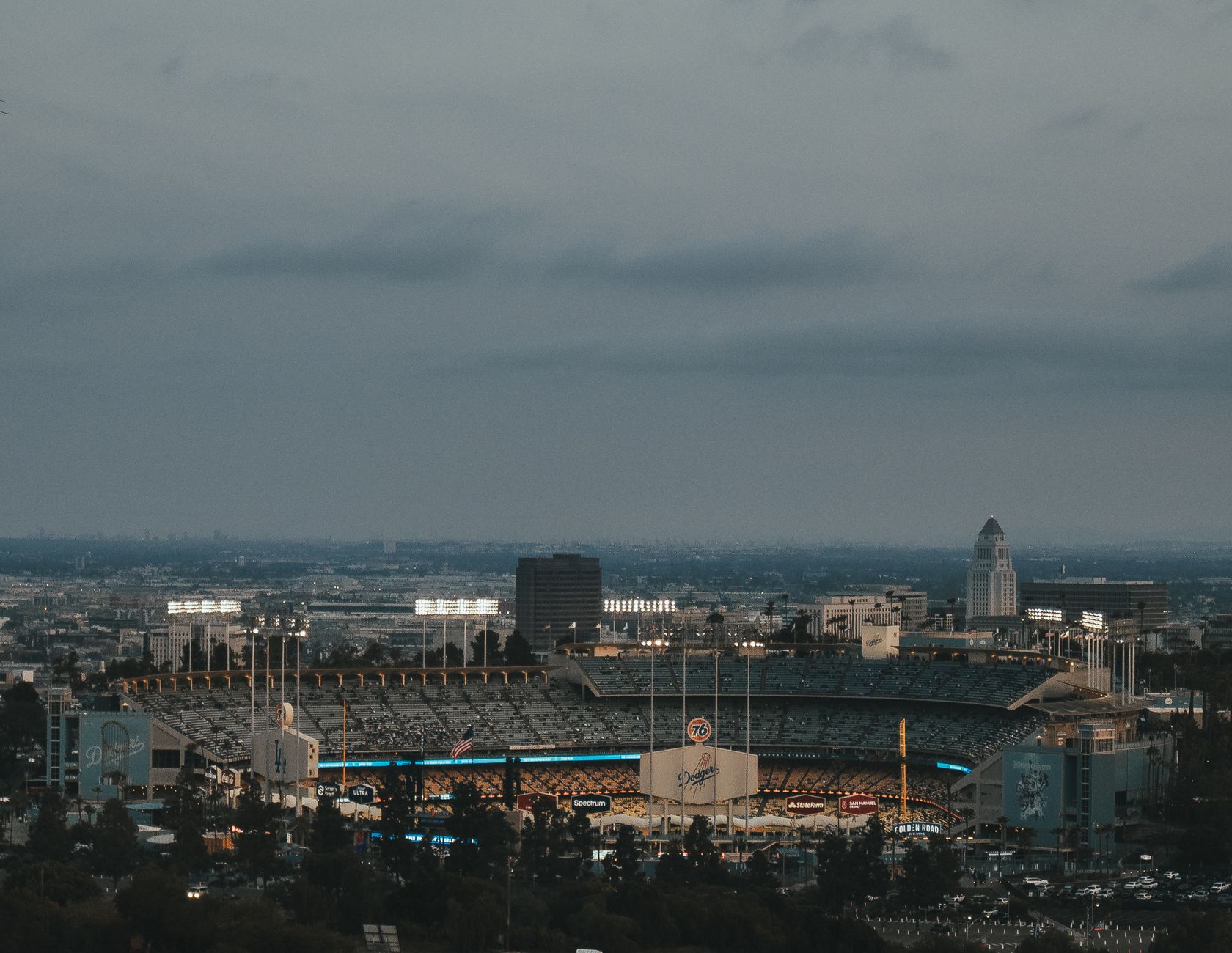
Photo by Nate Aguilar on Pexels
Step 3: How should fans read the match schedule like analysts?
Fans should read the 2026 World Cup schedule through rest days, travel distance, venue conditions, and knockout-path incentives. The expanded 48-team format creates more matches, more rotation pressure, and more opportunities for mispriced public narratives.
The most useful schedule read begins with incentives. A group-stage favorite may not need maximum intensity in the third match if qualification is already secure, while a lower-ranked team may approach the same fixture as a knockout game. That difference affects tactical aggression, substitutions, card risk, and late-match behavior. Stadium View recommends logging five variables before forming a match opinion: previous travel distance, rest interval, expected temperature or indoor conditions, squad depth, and whether goal difference remains decisive. This method is more useful than relying on brand-name teams alone.
There is also an operational edge that many casual guides skip: stadium type and city layout can influence preparation quality. SoFi Stadium and Mercedes-Benz Stadium are both modern NFL venues adapted for elite football, but their surrounding transport patterns differ. MetLife Stadium, site of the final according to Wikipedia’s 2026 FIFA World Cup final entry, introduces another layer because final-week media, sponsor, and hospitality demand can distort normal fan logistics. For betting-market observers in licensed jurisdictions, those logistical signals should be treated as context, not as automatic predictions.
Step 4: What fan-zone and ticket variables matter most?
The most important fan-zone and ticket variables are official status, location, crowd capacity, match-screening schedule, and transport links. Los Angeles has announced a FIFA Fan Festival at the LA Memorial Coliseum and official fan zones across the county.
Official fan zones matter because they reduce uncertainty. A public watch event connected to local organizers, FIFA programming, or municipal planning is easier to evaluate than an informal viewing party promoted late on social media. Los Angeles has been unusually clear about its 39-day celebration footprint, including the LA Memorial Coliseum at Exposition Park and countywide fan zones. Atlanta’s cultural approach is different: the city leans into local identity, soccer support, murals, music, and Mercedes-Benz Stadium’s reputation as a major event venue.
Ticketing requires a separate checklist. Fans should verify whether the ticket source is official, whether the match is group stage or knockout, and whether arrival time accounts for security screening. The United States Department of State advises international visitors to check visa and entry requirements before travel; its travel resources are available through travel.state.gov. FIFA’s official ticketing guidance has also emphasized authorized sales channels, and official communications generally warn against unofficial resale risks. Before choosing a viewing base, compare our [Internal Link: World Cup ticket timing and resale risk guide].

Photo by K on Pexels
Get started with a cleaner checklist for match days, markets, and fan planning.
Step 5: verification
Verification is the difference between a smooth 2026 football world cup plan and an expensive assumption. Check official host-city sites, FIFA updates, venue pages, transport agencies, and regulated market sources before acting on tickets, travel, or match predictions.
A useful verification workflow has five parts. First, confirm the fixture on FIFA’s match schedule rather than a reposted graphic. Second, check the host-city page for fan-zone timing, stadium guidance, and transport recommendations. Third, confirm accommodation cancellation terms because knockout-stage demand can shift quickly. Fourth, compare team news from national federations, not only club-focused media. Fifth, if you follow betting markets, use licensed operators and compare odds movement with injury, rotation, and travel data rather than social-media sentiment. Stadium View’s daily coverage is designed to connect those variables without pretending that any single metric decides a match.
There is one contrarian point worth making: the best 2026 World Cup experience may not be the final. The final at MetLife Stadium will carry historic significance, but cost, crowding, and access friction may be higher than a well-chosen group-stage double in Los Angeles, Atlanta, or Mexico City. For some fans, eight Los Angeles matches and 39 days of events create more practical value than chasing one premium ticket. For more tactical context, read our [Internal Link: national team form and player statistics hub].
Troubleshooting common failures
Common failures usually come from outdated schedules, unofficial tickets, underestimating city travel, and overreacting to team reputation. The fix is to verify every decision through official sources and update plans after the final draw, squad announcements, and venue-specific guidance.
The first failure is geographic overconfidence. A fan may assume “Los Angeles” means one compact event zone, but SoFi Stadium, Exposition Park, airport hotels, beaches, and suburban accommodation are spread across a large metro area. The second failure is schedule blindness: fans often buy for a country name without checking rest days or whether the team may rotate. The third failure is market overreaction, especially in adult betting contexts where public money can move prices around famous teams. Stadium View’s recommendation is to treat odds as one data point beside injuries, travel, tactics, and motivation.
The fourth failure is ignoring weather and venue details. Some stadiums offer controlled environments, while other city experiences depend heavily on heat, humidity, or local transit reliability. The fifth failure is assuming fan zones are secondary; in 2026, official fan programming may be the main experience for visitors without tickets. A practical troubleshooting list is simple:
- Re-check fixture details 72 hours before travel.
- Download host-city transport maps offline.
- Keep ticket, ID, and accommodation confirmations accessible.
- Track federation squad updates before reading odds.
- Build one flexible day into any multi-city plan.

Photo by Darya Sannikova on Pexels
For ongoing updates as the tournament picture becomes clearer, follow a source built around the 2026 World Cup.
Frequently Asked Questions
Q: What is the 2026 football world cup?
A: The 2026 football world cup is FIFA’s expanded 48-team men’s tournament hosted by the United States, Canada, and Mexico. It runs from June 11 to July 19, 2026, and features 104 matches. The final is scheduled for MetLife Stadium in the New York/New Jersey area.
Q: How do I start planning for the 2026 World Cup?
A: Start by choosing a host-city cluster before choosing individual matches. Compare Los Angeles, Atlanta, New York/New Jersey, Toronto, Mexico City, and other hosts by stadium access, hotel supply, fan zones, and match dates. Then verify tickets and transport through official sources.
Q: What is the difference between Los Angeles and Atlanta as World Cup cities?
A: Los Angeles offers more announced match volume and long-running fan programming, while Atlanta offers a more compact downtown stadium experience. Los Angeles lists eight matches and 39 days of celebrations. Atlanta centers its identity around Mercedes-Benz Stadium and strong local soccer culture.
Q: Why might a World Cup plan fail?
A: A World Cup plan usually fails because of unofficial tickets, poor transport assumptions, or outdated schedule information. Large host cities can require long transfer times even when venues appear close on a map. Recheck official updates before travel and again 72 hours before match day.
Q: How much does attending the 2026 World Cup cost?
A: Total cost depends on ticket category, city, hotel timing, flights, and match stage. Group-stage trips are generally easier to manage than final-week travel around MetLife Stadium. Budget for accommodation, local transport, food, fan events, and schedule flexibility.
Q: Is Stadium View useful for 2026 World Cup betting analysis?
A: Stadium View is useful for fans who want match predictions, tactics, player stats, and tournament context in regulated adult markets. Its coverage focuses on team form, rest days, venue factors, and lineup signals. Those inputs help readers interpret markets more carefully.