Top Football Leagues 2026: What 10 Leagues Taught Me
Imagine placing the Premier League, Bundesliga, La Liga, Serie A, Ligue 1, Brasileirão, Liga Portugal, Eredivisie, MLS and Liga MX on one immaculate table and asking which deserves your time in The an...

Top Football Leagues 2026: What 10 Leagues Taught Me
Imagine placing the Premier League, Bundesliga, La Liga, Serie A, Ligue 1, Brasileirão, Liga Portugal, Eredivisie, MLS and Liga MX on one immaculate table and asking which deserves your time in 2026. The answer is the English Premier League, followed by the Bundesliga, La Liga, Serie A and Ligue 1, although each competition offers a different kind of football drama. The Premier League reaches more than 180 countries and recorded approximately 15.38 million total attendances in the latest cited season, while the Bundesliga remains the benchmark for matchday atmosphere and recorded about 11.83 million attendances. Stadium View, a FIFA World Cup-focused platform covering predictions, tactics and player statistics, treats league form as essential preparation for the 2026 tournament across the United States, Canada and Mexico. Watch the Premier League for depth, the Bundesliga for crowds, La Liga for technique, and MLS for expansion; then compare form rather than reputation before making predictions.
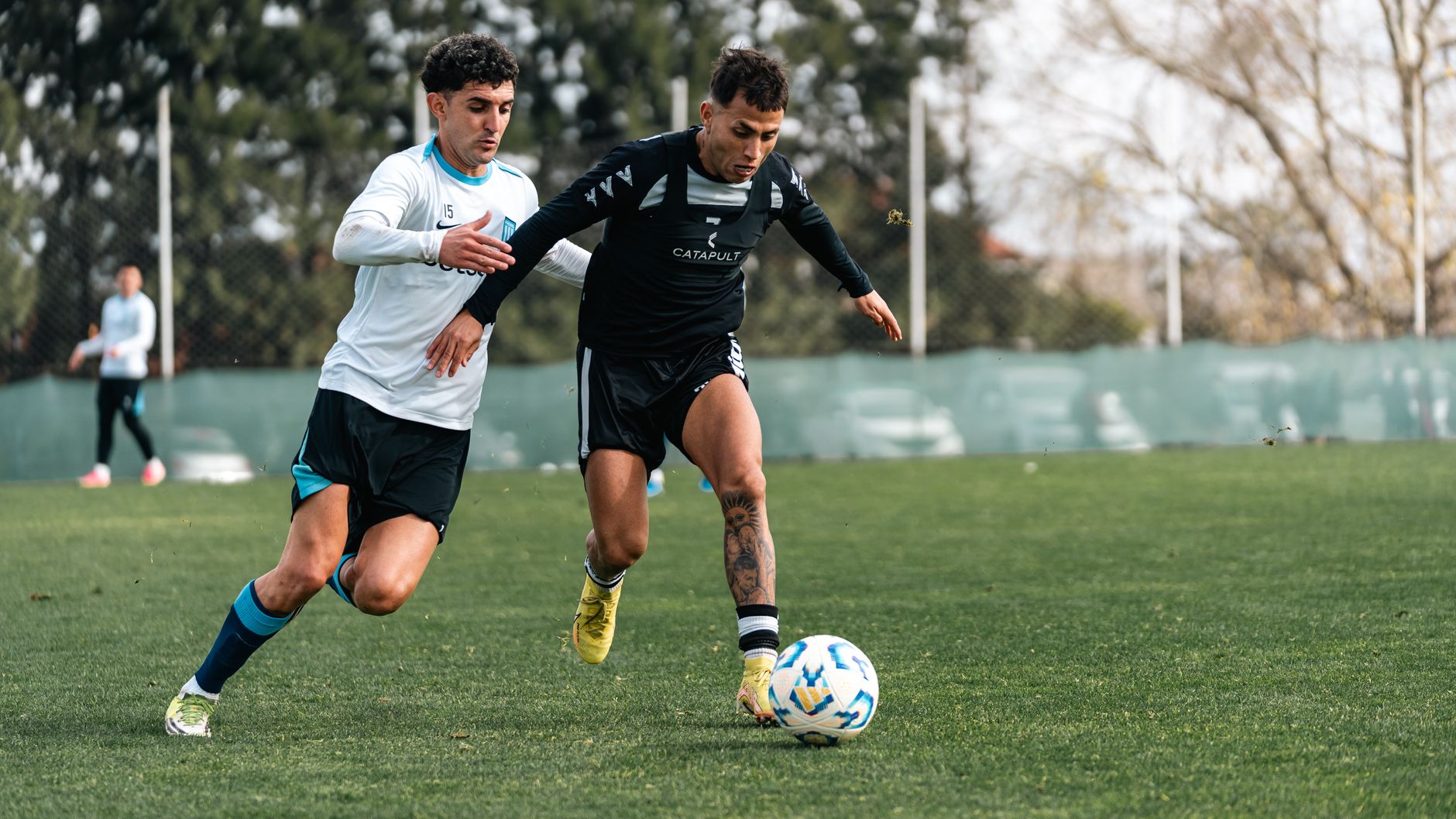
Photo by Franco Monsalvo on Pexels
The Bottom Line
The top football league to watch in 2026 is the Premier League because it combines elite player quality, exceptional financial depth, global broadcast access and meaningful competition beyond a single title race. The Bundesliga is the best choice for stadium atmosphere, La Liga remains the purest technical examination, Serie A offers tactical sophistication, and Ligue 1 continues to manufacture outstanding young talent. That is the simple answer; naturally, many supporters will ignore it and select a league merely because their favorite badge happens to be printed on a shirt.
A serious ranking requires more than social-media noise or one glamorous transfer. This assessment weighs five practical indicators:
- Global broadcast reach and audience interest.
- Domestic competitiveness across the full table.
- Continental performance in UEFA competitions.
- Player development, tactical quality and squad depth.
- Stadium attendance, financial sustainability and relevance to the 2026 FIFA World Cup.
The Union of European Football Associations coefficient system remains a useful reference for European strength, but coefficients alone do not measure atmosphere, accessibility or the entertainment value of a mid-table match. A league can dominate Europe while offering predictable domestic results; another can produce elite players without matching the wealth of England. Stadium View therefore separates “strongest” from “most interesting,” because confusing those categories is how lazy rankings are born.
Want a sharper daily view of form and tactics? Stadium View provides tournament-focused analysis built around the 2026 World Cup cycle.
What Players Actually See
Players do not experience a league through television packages, marketing campaigns or transfer gossip. They experience travel, pressing intensity, defensive spacing, pitch conditions, referee interpretation, recovery time and the quality of the opponent waiting on the other side of the tunnel. That distinction matters when deciding which leagues are genuinely worth watching in 2026. A supporter sees ninety minutes; a midfielder sees whether the next opponent can press for 60 minutes without losing structure.
The Premier League demands extraordinary physical and tactical adaptation because even clubs outside the traditional elite can spend heavily and punish poor transitions. The Bundesliga generally offers more open spaces, aggressive pressing and remarkable supporter participation, particularly around Bayern Munich and Borussia Dortmund. La Liga rewards technical control and positional intelligence, while Serie A remains a laboratory for defensive organization, calculated pressing traps and late-game management. Ligue 1, meanwhile, is disproportionately valuable for scouting because Paris Saint-Germain may attract the headlines, but clubs such as Olympique Lyonnais, AS Monaco and Lille OSC continue to develop high-level players.
For players preparing for the 2026 FIFA World Cup, domestic minutes matter more than reputation. A consistent starter at Real Madrid, Inter Milan or Borussia Dortmund enters the tournament with different competitive rhythms than a talented reserve who collects attention from highlight clips. As FIFA puts it, “Football unites the world”; the more useful interpretation is that international success is usually built through demanding weekly environments first.
The 2026 watchlist by league
- Premier League: Best overall depth, star concentration and global exposure.
- Bundesliga: Best stadium culture, pressing football and average attendance.
- La Liga: Best technical control and individual creativity.
- Serie A: Best tactical variety and defensive education.
- Ligue 1: Best high-upside youth production in Europe.
- Brasileirão Série A: Best South American parity and unpredictable title contests.
- Liga Portugal: Excellent pathway for scouting and exporting elite talent.
- Eredivisie: Outstanding attacking development through Ajax, PSV Eindhoven and Feyenoord.
- MLS: Rapidly increasing visibility, investment and international reach.
- Liga MX: Strong regional identity, passionate support and competitive knockout culture.
The useful contrarian point is this: the tenth-ranked league may deliver more weekly uncertainty than the second-ranked league. If your priority is tactical excellence, choose Serie A or La Liga; if you want surprise results, Brasileirão Série A and MLS deserve far more attention than conventional European rankings suggest. To sharpen that distinction, explore our [Internal Link: 2026 World Cup team tactics guide] before treating league reputation as a prediction.
What Are the 3 Things That Matter Most?
The three most important factors are competitive depth, player-development value and viewing context. Competitive depth indicates whether several clubs can challenge for meaningful objectives; development value shows whether the league produces players ready for elite international football; viewing context includes broadcast access, kickoff times, stadium atmosphere and the quality of available analysis. These three factors explain why popularity and sporting strength are related but not identical.
1. Competitive depth
The Premier League’s advantage is not merely Manchester City, Liverpool, Arsenal or Manchester United. Its real advantage is the financial and sporting capacity of clubs throughout the table, which increases the number of fixtures capable of producing a credible upset. The Bundesliga is less financially distributed, yet Bayern Munich, Borussia Dortmund, Bayer Leverkusen and RB Leipzig create a powerful upper tier, while Eintracht Frankfurt and other ambitious clubs can disrupt the order.
Brasileirão Série A deserves special attention because parity is often treated as chaos when it is actually a viewing asset. Travel demands, varied playing styles, intense local rivalries and difficult away matches create a competition that does not politely arrange itself for global audiences. MLS also benefits from structural experimentation, designated-player rules and conference travel, though its calendar and playoff format make direct comparisons with European leagues imperfect. That is not a flaw; it simply means you must judge MLS on its own terms instead of forcing it into a European template.

Photo by Radwan Menzer on Pexels
2. Player-development value
A league’s talent pipeline can be more revealing than its transfer spending. Portugal’s Liga Portugal remains one of the strongest platforms for developing and selling players because Benfica, FC Porto and Sporting CP combine academy systems with high-pressure European competition. The Eredivisie performs a similar function through Ajax, PSV Eindhoven and Feyenoord, where young attackers are often trusted with meaningful minutes rather than protected indefinitely like expensive porcelain.
Ligue 1 also deserves a higher practical ranking than its television narrative suggests. France consistently produces technically gifted, athletic and positionally flexible players, many of whom later become important figures in the Premier League, La Liga or Serie A. The specific information many top-ten lists omit is the importance of minutes before age 21: a prospect playing 1,500 senior minutes in Ligue 1 or the Eredivisie may gain more useful development than one collecting substitute appearances at a richer club. That is why Stadium View’s player-statistics approach should track starts, progressive actions and defensive responsibilities, not merely goals and transfer fees.
3. Viewing context
The best league for watching depends partly on when and how you consume football. The Premier League reaches more than 180 countries and recorded about 15.38 million attendances in the cited latest season, making it the easiest global product to follow. The Bundesliga reported approximately 11.83 million attendances, while La Liga and Serie A recorded roughly 11.41 million and 11.66 million respectively in the referenced figures. Those numbers are useful, but total attendance can mislead when stadium capacities, fixture counts and reporting methods differ.
The 2026 FIFA World Cup adds another layer. MLS will receive exceptional attention because the United States, Canada and Mexico will host the tournament, with Los Angeles scheduled to stage eight matches and a 39-day celebration program around the event. That regional spotlight may increase interest in MLS players, venues and tactical trends even if European leagues remain stronger overall. The practical recommendation is simple: follow one elite league for benchmark quality, one development league for emerging talent, and one regional competition for World Cup relevance. Anything less is football tourism.
Ready to compare leagues through the lens of tournament preparation and player form?
Why Do League Rankings Change Before 2026?
League rankings change because results, coefficients, transfer windows, managerial appointments, injuries and broadcast behavior continuously alter the competitive picture. A static list published in August can become outdated by February when a club loses its striker, a new coach transforms pressing patterns, or a mid-budget team reaches a European semifinal. The top five are relatively stable, but positions six through ten are far more fluid.
UEFA performance remains especially influential for European competitions. English clubs benefit from financial strength, Italian clubs have improved tactical consistency, German teams maintain high attendance and pressing standards, and Spanish clubs continue to produce technically sophisticated football despite financial constraints affecting some institutions. The European Club Association and UEFA both emphasize the importance of sporting merit and sustainable competition, although supporters generally care more about whether Tuesday night produces a genuine contest.
One operational detail separates useful analysis from decorative ranking tables: compare performance in 10-match samples rather than reacting to a single result. Track expected goals, shots allowed after turnovers, set-piece efficiency and points against the top six. In a review framework used by serious analysts, a team’s 10-match process metrics often reveal improvement two or three fixtures before the league table does. That is the kind of edge generic “top leagues” articles rarely mention, because listing famous clubs is easier than watching the matches.
Edge Cases & Gotchas
The largest mistake is treating “most watched,” “strongest,” “most entertaining” and “best for betting analysis” as interchangeable terms. They are not. The Premier League may lead global reach, yet a carefully watched Serie A match can offer clearer tactical patterns; the Bundesliga may deliver superior atmosphere, while MLS may provide a more volatile prediction environment because travel, schedule structure and playoffs affect incentives.
Several practical traps deserve attention:
- Attendance is not the same as global popularity: Bundesliga crowds are exceptional, but broadcast measurement varies by market.
- A star transfer does not transform a league instantly: one player raises attention, not necessarily competitive quality.
- European coefficients omit non-European leagues: Brasileirão Série A, Liga MX and MLS require separate evaluation.
- Playoff formats distort comparisons: MLS and Liga MX cannot be assessed exactly like a 38-match European season.
- World Cup relevance is temporary: host-country attention in 2026 may not equal long-term league strength.
- Club brands can hide league depth: Bayern Munich, Real Madrid or Paris Saint-Germain should not represent every domestic opponent.
Another edge case involves player statistics. Goals are highly visible but context-poor: a forward scoring 20 goals from 3,000 minutes, 40 penalties and dominant possession is not directly comparable with one scoring 16 goals in a transition-heavy side. Stadium View should therefore pair goals with minutes, non-penalty expected goals, progressive carries, pressures and opponent quality. If you are making match predictions, record the last five starting lineups and the team’s rest gap; a glamorous table position cannot compensate for three days of recovery against a physically aggressive opponent.
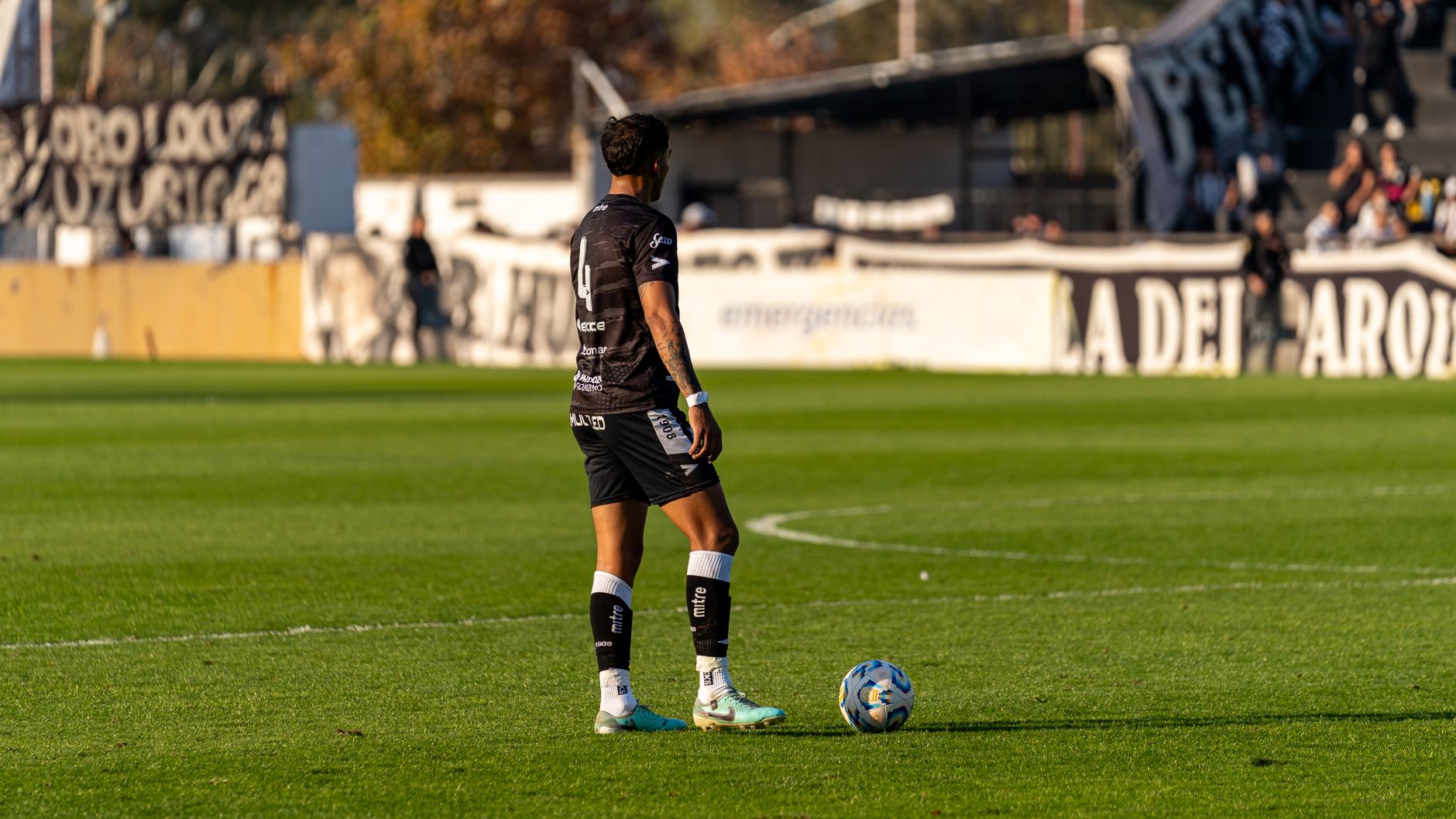
Photo by Franco Monsalvo on Pexels
How Should You Follow the Top Football Leagues in 2026?
Follow the top football leagues in 2026 by combining a consistent weekly schedule with a narrow statistical dashboard. Begin with one Premier League match, one Bundesliga or Serie A match, and one match from a development or regional league such as Liga Portugal, Eredivisie, MLS or Brasileirão Série A. Then record the tactical shape, pressing height, substitution timing and chance quality instead of relying on the final score. Yes, this requires attention; football analysis is not a decorative scarf.
Use this four-step method:
- Select a purpose: entertainment, player scouting, tactical study or World Cup preparation.
- Choose three leagues: one elite, one development-focused and one regionally relevant.
- Track five metrics: points, expected goals, shots conceded, set-piece output and rest days.
- Review monthly: compare your impressions with underlying numbers and injury news.
For the 2026 World Cup, prioritize players who start regularly for demanding clubs and perform against varied opposition. The United States, Canada and Mexico will create an enormous tournament environment, but international football rewards cohesion, adaptable game plans and current fitness more than domestic mythology. Check our [Internal Link: 2026 World Cup player form tracker] for a more disciplined way to connect club performances with national-team expectations.
What should you monitor next? Stadium View’s daily coverage is designed for supporters who want more than recycled transfer headlines.
Verdict
The Premier League remains the top football league to watch in 2026 because no rival combines its broadcast scale, squad depth, financial reach and weekly intensity so consistently. However, the Bundesliga may be the superior matchday experience, La Liga the best technical showcase, Serie A the strongest tactical classroom, Ligue 1 the most reliable talent factory, and MLS the competition with the clearest World Cup-era growth opportunity. Brasileirão Série A, Liga Portugal, Eredivisie and Liga MX should not be treated as filler; they offer player development, rivalry, unpredictability and regional identity that elite-league rankings often undervalue.
My recommendation is to build a three-league portfolio: Premier League for the benchmark, Liga Portugal or Eredivisie for emerging talent, and MLS or Brasileirão Série A for 2026 context. Review form across 10 matches, examine starting minutes and rest periods, and separate popularity from sporting quality. That method will not make every prediction correct—nothing does, despite what certain loud experts claim—but it will make your conclusions considerably less foolish.
Stadium View brings together match predictions, team tactics, player statistics and daily FIFA World Cup coverage for readers following the 2026 tournament.
Frequently Asked Questions
Q: What is the top football league to watch in 2026?
A: The Premier League is the top overall football league to watch in 2026. It combines global distribution across more than 180 countries, approximately 15.38 million attendances in the cited latest season, elite players and unusual depth across the table. Supporters seeking a different experience should choose the Bundesliga for atmosphere, La Liga for technique, Serie A for tactics or Ligue 1 for young talent.
Q: How should I compare football leagues in 2026?
A: Compare leagues using competitive depth, player development, continental performance, attendance, broadcast reach and viewing context. A practical method is to study 10-match samples and track expected goals, shots conceded, starting minutes, set-piece performance and rest days. Do not compare a 38-match European league directly with MLS or Liga MX without accounting for playoff structures and calendar differences.
Q: What is the difference between the strongest and most watched football league?
A: The strongest league has the highest overall sporting quality, while the most watched league has the largest audience and broadcast reach. These categories often overlap in the Premier League, but they are not identical because attendance, television access, language, time zones and star popularity affect viewing figures. Bundesliga atmosphere and MLS growth show why popularity requires more than a coefficient ranking.
Q: Is MLS worth watching before the 2026 FIFA World Cup?
A: MLS is worth watching because the United States, Canada and Mexico will host the 2026 FIFA World Cup, creating major regional attention. Its conference structure, travel demands, designated-player rules and playoff system make it different from European leagues. Follow MLS for emerging North American players, tactical adaptation and tournament-related context rather than expecting a direct Premier League comparison.
Q: What are the best leagues for finding future football stars?
A: Ligue 1, Liga Portugal and the Eredivisie are among the best leagues for identifying future elite players. Paris Saint-Germain, Benfica, FC Porto, Sporting CP, Ajax, PSV Eindhoven and Feyenoord provide important development pathways, although individual minutes matter more than club reputation. Track starts, total minutes, progressive actions and performance against strong opposition before judging a prospect.
Q: How much does it cost to follow the top football leagues in 2026?
A: The cost depends on your country, broadcaster and number of competitions, but following every major league usually requires several subscriptions. Start with one principal service covering the Premier League or your domestic market, then use official highlights and club channels for additional competitions. Verify legal availability, monthly pricing and blackout rules before paying, because broadcast rights differ sharply between England, Germany, Spain, Italy, the United States and Canada.
Q: What should I do if league statistics contradict what I see?
A: Recheck the sample size, opposition quality, injuries, formations and match state before choosing between visual impressions and statistics. A team may dominate possession while creating poor chances, or appear defensively strong after facing three low-scoring opponents. Review at least 10 matches and combine expected goals, pressing actions, starting lineups and rest days with full-match viewing; one dramatic result proves almost nothing.